
Our Story
The Balanced Nurse’s mission is to empower individuals and health professionals with advanced knowledge and resources in aging and geriatrics, ensuring quality care as we age. With a team of seasoned experts, we are dedicated to enhancing the well-being of older adults through innovative research and education. Our Promise: we bring balance to healthcare where compassion meets competence, and where every decision centers on dignity, safety, and quality of life.
Our Promise
We bring balance to healthcare where compassion meets competence, and where every decision centers on dignity, safety, and quality of life.
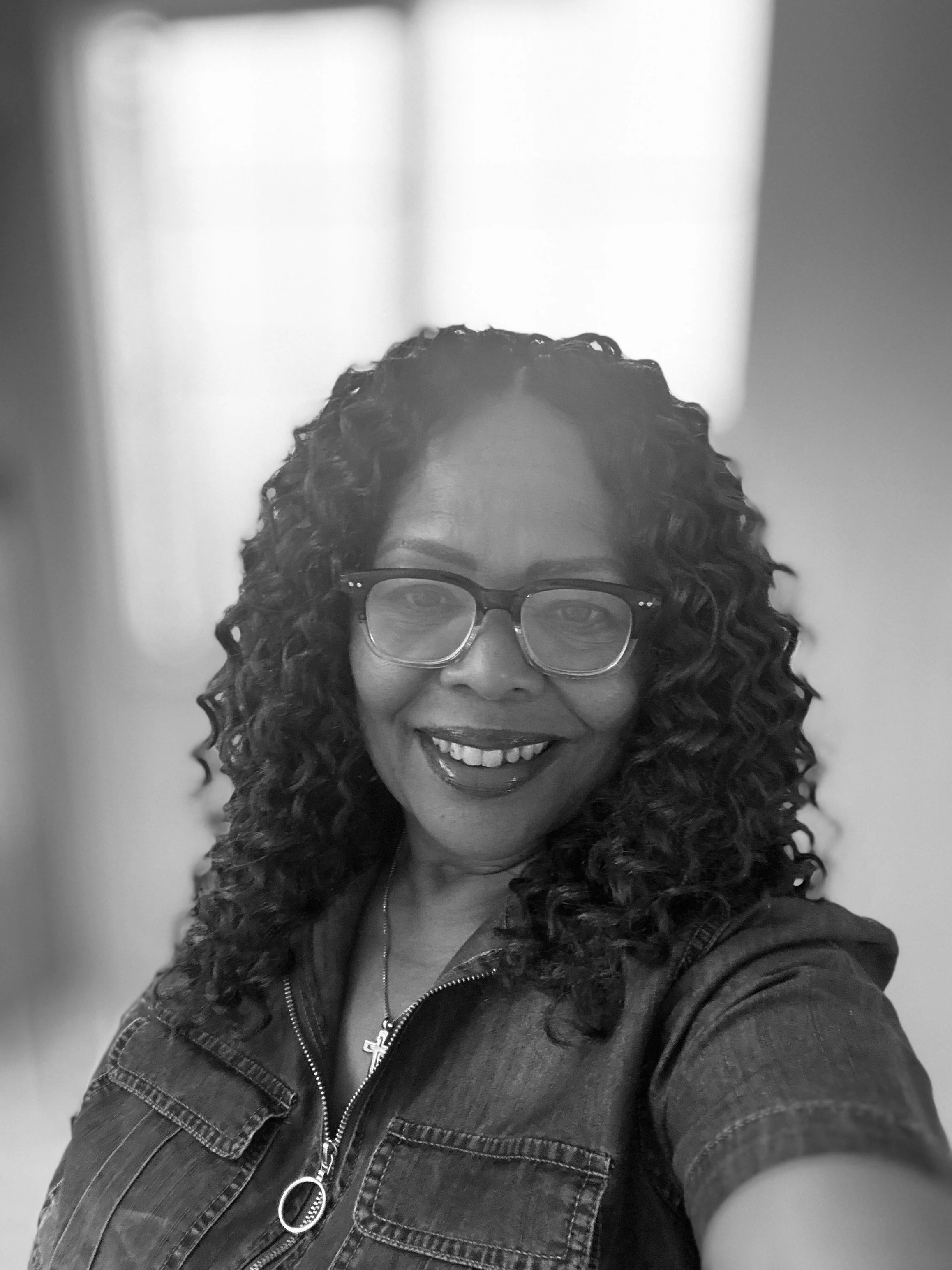
Felicia W. Wright, MSN, RN, CHPN, CDP, CADDCT
With 18 years of nursing experience, including over eight years in progressive leadership roles. Felicia Wright brings a purposeful, relationship-driven approach to hospice care. As Chief Clinical Officer for Healthcare Senior Solutions and managing partner of The Balanced Nurse consulting firm, she is committed to ensuring patients, families, and community partners feel genuinely heard, valued, and seen.
Felicia’s leadership centers on the belief that exceptional geriatric care is built on three pillars: communication, collaboration, and care. Her work spans clinical strategy, staff development, and community partnerships across Colorado, Nevada, Georgia, and Arizona, all with a single mission: to uphold the dignity and unique stories of every patient and family served. Recognized for her ability to unite interdisciplinary teams and foster trust both inside and outside the organization, Felicia champions initiatives that elevate quality, compassion, and connection in hospice/palliative and dementia care.
We Are Ready When You Are.
FAQs
-
Elder care (or senior care) refers to a range of services designed to meet the unique needs of aging adults, including assistance with daily living, medical support, emotional well-being, and maintaining independence.
-
Signs include difficulty managing daily tasks (bathing, cooking, taking medications), frequent falls, memory issues, social withdrawal, or declining personal hygiene.
-
Services include in-home care, adult day programs, assisted living, skilled nursing facilities, memory care, and hospice or palliative care.
-
Home care focuses on non-medical assistance (companionship, housekeeping, meal prep).
Home health care provides medical support from licensed professionals (nurses, therapists).
-
Install grab bars, improve lighting, remove tripping hazards, secure rugs, and ensure easy access to frequently used items.
-
We encourage participation in daily decisions, use adaptive tools, promote physical activity, and focus on what they can do rather than what they can’t.
-
Use a pill organizer, set reminders, maintain an updated medication list, and coordinate with healthcare providers to avoid duplications or interactions.
-
Use simple sentences, maintain eye contact, avoid arguing, and validate their emotions even if their words don’t make sense.
-
Stay patient, listen to their concerns, introduce changes gradually, and frame assistance as support rather than control.
-
Take regular breaks, seek respite care, join caregiver support groups, maintain your own health, and ask for help early.
-
Hospice focuses on comfort and quality of life at the end of life; palliative care provides symptom relief and emotional support at any stage of serious illness.
-
Options may include long-term care insurance, Medicaid, Veterans benefits, personal savings, or community-based financial assistance programs.
-
Essential documents include a power of attorney, advance directive (living will), healthcare proxy, and updated will or trust.
-
Look into local Area Agencies on Aging, the Alzheimer’s Association, AARP caregiver resources, and online or in-person support groups.